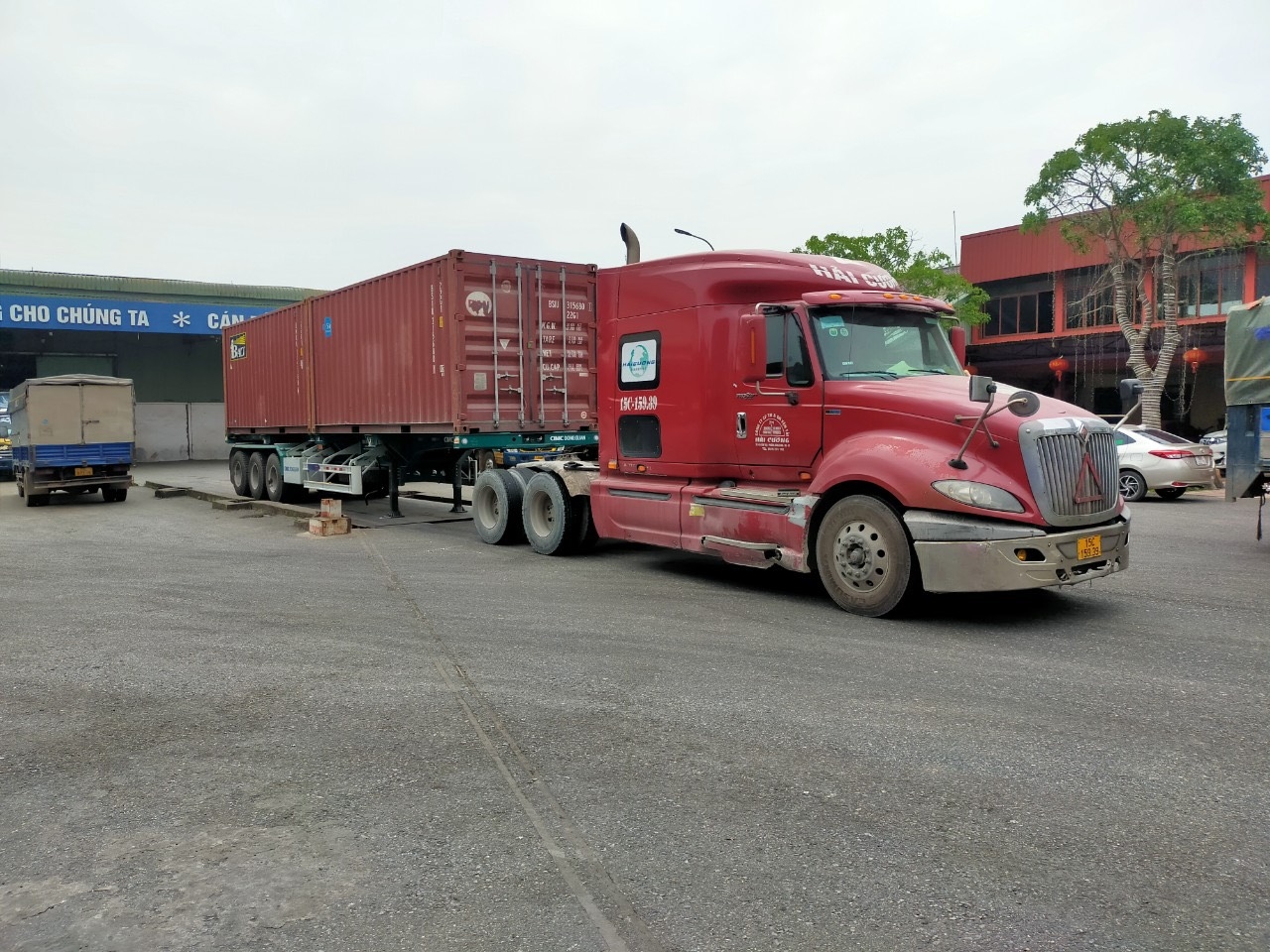
What are Customs Formalites? The process of making customs formalities for imported goods
Although the phrase "customs formalities" appears frequently in daily life, not everyone understands what it means because this phrase is specialized and relatively complicated
According to Wikipedia: Customs is an authority or agency in a country responsible for collecting tariffs and for controlling the flow of goods, including animals, transports, personal effects, and hazardous items, into and out of a country. Traditionally, Customs has been considered as the fiscal subject that charges customs duties (i.e. tariffs) and other taxes on import and export.
According to the explaination of Vietnam Customs Law in 2014:
23. Customs Formality are tasks that customs declarants and customs officials must perform in accordance with the provisions of this Law for goods and means of transport.
Thus, customs formalities are necessary procedures to ensure that goods and means of transportation are exported or imported across the border.
Areas of customs operations include:
Border overland gates, international rail stations, international civil airports;
- Domestic seaport with export, import, exit, entry, and transit operations;
- Customs-supervised storage areas for goods, export processing zones, and customs preference zones;
Customs clearance locations, bonded warehouses, tax protection warehouses, international post offices, and customs declarants' offices when checking after customs clearance;
Locations for inspection of imported and exported goods in the customs territory
Other areas and locations that satisfy the requirements of state management are allowed to export, import, transit goods, exit, enter, and transit transport vehicles according to the Decision of the Vietnamese Prime Minister.
Depending on the type of imported goods, the business will need to go through different customs procedures. However, the basic process of import customs clearance includes the following steps:
Step 1: Identifying the categories of imported goods
It is necessary to decide what type of imported goods to purchase. For example, if it is a normal commodity, there is no need to pay special attention, but if it is a commodity that must be declared in conformity with regulations, the business must carry out procedures for announcing conformity before the goods are brought to the port...
Step 2: Verify the package of goods paperwork.
In the process of customs clearance, business need to prepare a set of documents, basically including the following documents:
- Sale Contract.
-Bill of Landing.
-Packing List.
- Certificate of Origin of shipment (C/O).
-Commercial Invoice.
Step 3: Declaration and transmission of customs declaration
After the carrier sends the goods notice, the business needs to fill in the information on the declaration. When the declaration is completed and transmitted, the system will automatically issue a number if the information is accurate and complete.
Step 4: Get a delivery order
Businesses need to prepare the following documents and bring them to the carrier to get the delivery order:
- Identity card/Citizen identity card copy.
- Copy bill of lading.
- The original bill of lading has an accent.
Step 5: Prepare a set of customs documents.
After the declaration is transmitted, the system will classify the goods into type 1, type 2, or type 3.
- Type 1: Businesses print declarations and pay taxes.
- Type 2: The Customs unit checks the paper records of the shipment.
- Type 3: Goods are checked.
Step 6: Pay taxes and complete customs procedures.
After the declaration has been transmitted and approved, the business needs to pay two main taxes, namely:
- Import taxes.
- VAT taxes.
In addition, depending on certain types of goods, environmental taxes and excise taxes may be required.
Step 7: Commodities transportation to storage facilities
This is the explaination of Customs Formality and the basic process of making customs formalities for imported goods. If you still have questions about customs clearance, please contact us for support.
Email2: haicuongjsc@gmail.com
Haiphong Branch: R229-230, 441 Da Nang Str, Hai An Dist., Hai Phong, Vietnam
Email: sales.hp@hcjsc.com.vn
Hotline : +84919231102
Hanoi Branch: 5F, AC Building, 78 Duy Tan Str, Dich Vong Hau Ward, Hanoi City, Vietnam
Email: sales.hn@hcjsc.com.vn
Hotline : +84983638286
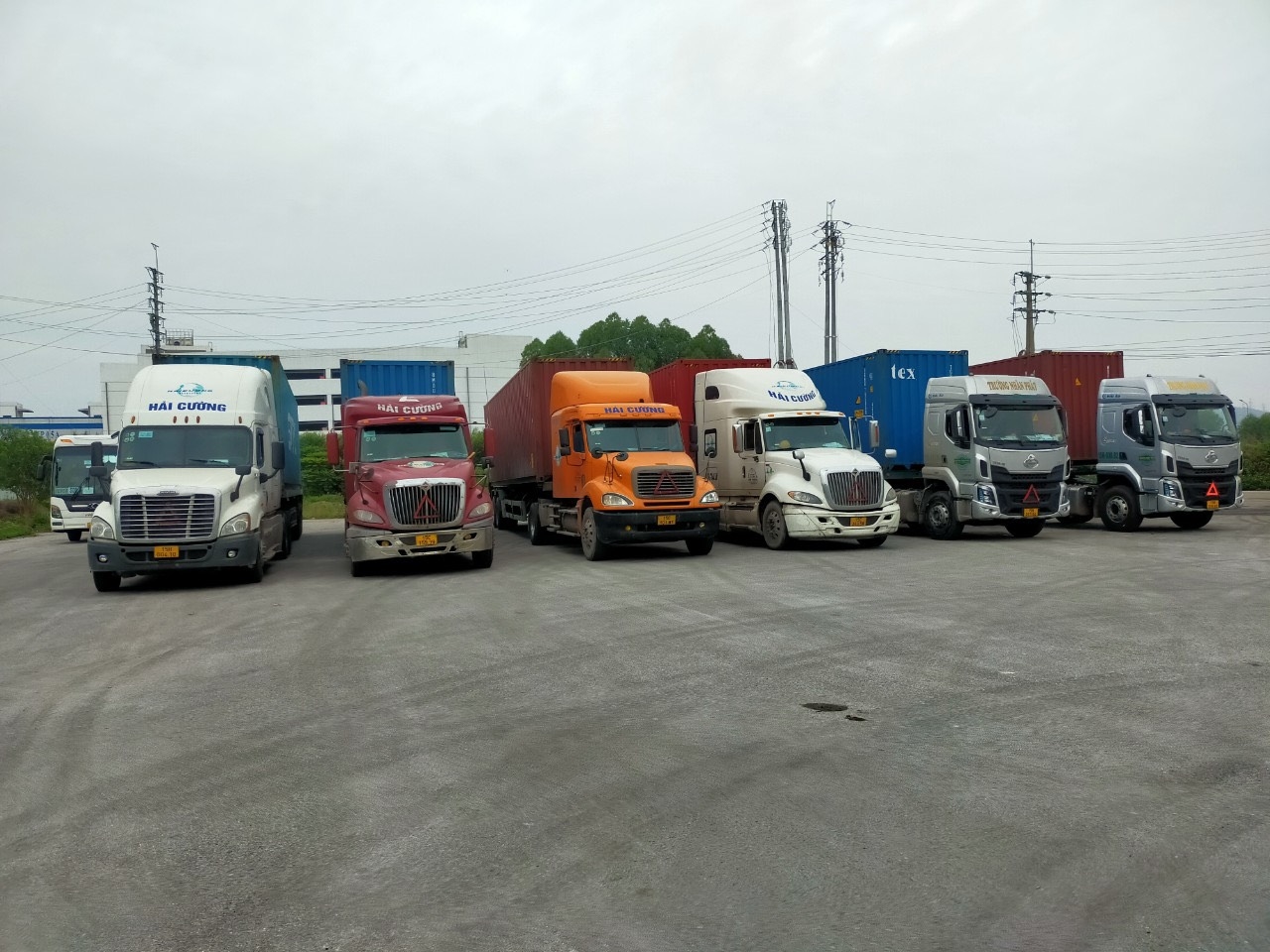
(Return goods at Dai An Industrial Park - Hai Duong)
The status of Vietnam's goods exports and imports in January 2023.
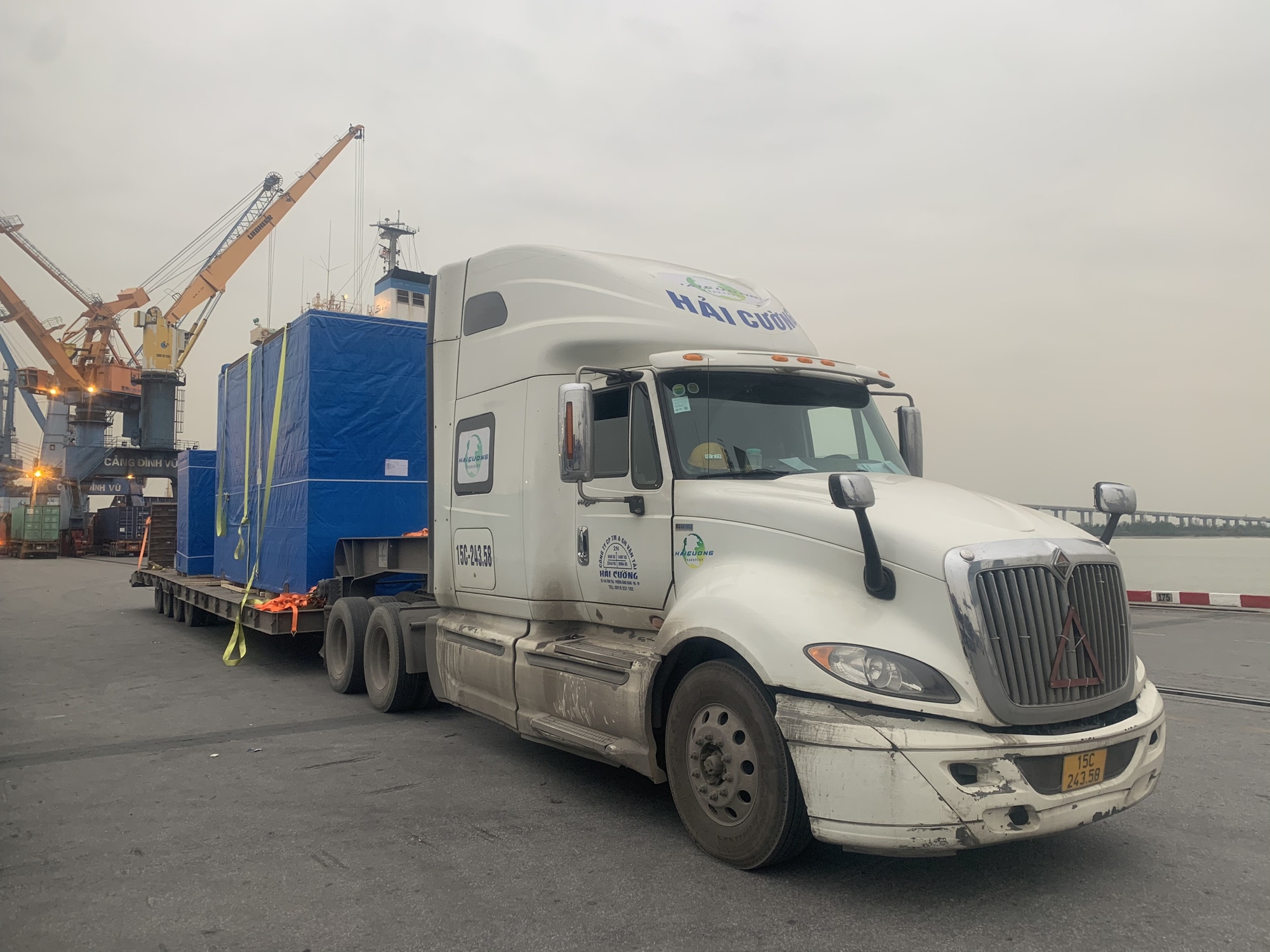
In the era of Industrialization and Modernization, with the development of Industrial Economy, the issue of transporting large-volume goods has become a significant concern for many businesses, especially in the context of services related to the transportation of oversized and overloaded cargo. Bulky and heavy goods that cannot be disassembled may lead to potential violations of the regulations in the field of oversized and overloaded cargo transportation.
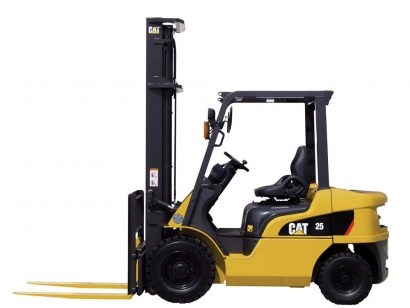
Thủ tục nhập khẩu xe nâng, thuế nhập khẩu xe nâng, mã hs xe nâng cho các loại xe nâng điện, xe nâng dầu, xe nâng mới, xe nâng đã qua sử dụng và quy trình kiểm tra chất lượng. Là những nội dung chính mà Hải Cường team muốn chia sẻ đến quý vị
Vận chuyển hàng hóa bằng container rất khác so với phương pháp vận chuyển hàng hóa theo cách truyền thống. Vậy cụ thể vận chuyển hàng hóa bằng container bao gồm những loại nào? Đặc điểm của mỗi loại là gì? Trách nhiệm của người gửi hàng (shipper), người chuyên chở (carrier) và người nhận hàng là gì? Hãy đọc bài viết sau của Hai Cuong Transport để hiểu rõ hơn nhé!